


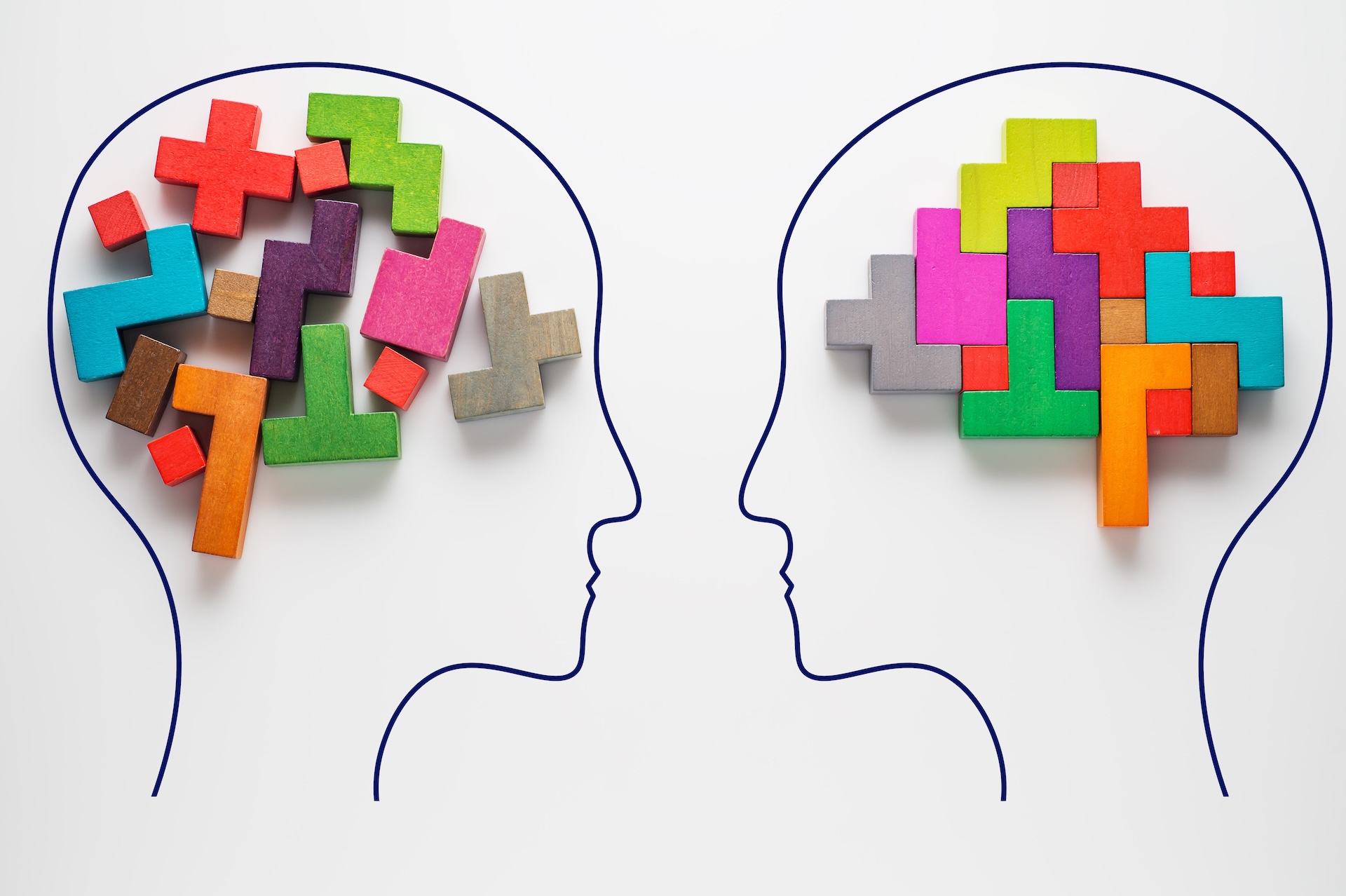
When people think about addiction treatment, they often picture detox, group therapy, or 12-step meetings. While those can all play an important role in recovery, many treatment centres also use evidence-based therapies that help clients manage emotions, relationships, stress, and impulsive behaviours.
One of the most effective of these approaches is Dialectical Behaviour Therapy, more commonly known as DBT.
What is DBT?
Originally developed to help people struggling with intense emotional dysregulation, DBT is now widely used in mental health and addiction treatment settings across Canada. Organizations like CAMH (Centre for Addiction and Mental Health) recognize DBT as an evidence-based therapy that helps people build healthier coping skills and create lives that feel more manageable and meaningful.
DBT is a type of talk therapy that combines practical coping strategies with mindfulness and emotional awareness. The word “dialectical” refers to balancing two things at once: accepting yourself as you are while also working toward meaningful change.

Over the years, we’ve met countless people who were entering treatment from a place of severe shame, frustration, or hopelessness about their substance use. DBT is a technique that can help clients move away from self-judgment and toward understanding the patterns behind their behaviours, allowing them ultimately to change their situation.
In an addiction treatment setting, DBT can be incredibly valuable because substance use is often connected to emotional pain, trauma, relationship struggles, or difficulty coping with stress.
Instead of asking, “What’s wrong with me?” DBT encourages people to ask, “What skills do I need to get through difficult moments safely?”
In many ways, DBT is less about “fixing” someone and more about helping them develop tools for life.
Why DBT Works Well in Addiction Treatment
Substance use is often connected to emotional avoidance. Someone may drink to numb anxiety, use drugs to escape painful memories, or rely on substances to cope with conflict, loneliness, or overwhelming emotions. The challenge is that substances may provide temporary relief while creating bigger problems over time.

DBT addresses this by teaching healthier ways to respond to distress. Clients learn how to tolerate difficult emotions without immediately reacting to them or trying to shut them down.
For example, imagine someone who has a stressful conversation with a partner and immediately feels the urge to drink. In traditional recovery language, that might be called a trigger. DBT goes deeper by helping the person slow down, recognize what they are feeling physically and emotionally, and use specific coping strategies before acting impulsively.
Over time, these small moments of pause can create major changes in behaviour.
This is especially important because mental health and substance use challenges often overlap. What’s more, people are not always so simply “well” or “unwell”, but rather exist on a dynamic spectrum of mental health. DBT recognizes this, and provides a gentle and effective way forward.
The Four Core DBT Skill Areas
In most addiction treatment programs, DBT focuses on four major skill areas:
- Mindfulness
- Distress Tolerance
- Emotion Regulation
- Interpersonal Effectiveness
Mindfulness
Mindfulness teaches clients how to stay present instead of becoming overwhelmed by thoughts, cravings, or emotions. This does not mean “emptying your mind” or pretending everything is fine when it’s not. It simply means learning to notice what is happening internally without immediately reacting.

For someone in recovery, mindfulness can help create space between an urge and an action.
Distress Tolerance
Distress tolerance skills help people survive difficult moments without making things worse. Recovery can involve cravings, emotional discomfort, conflict, boredom, grief, or frustration. DBT teaches clients practical strategies for getting through those moments safely.
This is often one of the most valuable parts of DBT in early recovery because many people have never been taught how to tolerate discomfort without escaping it.
Emotion Regulation
Some people entering treatment describe their emotions as feeling “too big” or unpredictable. DBT helps clients understand emotional patterns, identify vulnerabilities, and reduce emotional intensity over time. This can improve everything from sleep and stress management to self-esteem and relapse prevention.
Interpersonal Effectiveness
Addiction often affects relationships with partners, children, friends, employers, and family members. DBT teaches communication skills that help people set boundaries, express needs clearly, and navigate conflict more effectively.
For many clients, rebuilding healthy relationships becomes one of the most meaningful parts of recovery.
DBT in Group and Individual Therapy
In residential treatment settings, DBT is commonly integrated into both group and individual counselling.
Group sessions often focus on learning and practicing skills together. Clients may discuss real-life scenarios, roleplay conversations, or explore how different coping techniques worked during stressful situations.

Individual therapy allows clients to apply DBT concepts to their personal history and recovery goals.
One of the strengths of DBT is that it is highly practical. Clients are not just talking about emotions in abstract ways; they are actively learning strategies they can use outside the treatment environment.
Recovery is More Than Stopping Substance Use
One misconception about addiction treatment is that recovery only means stopping drugs or alcohol. In reality, sustainable recovery usually involves building a life that feels stable, connected, and worth participating in—not just moving away from something, but moving towards something.
At its core, DBT helps people develop resilience. It teaches clients that painful emotions do not have to control their behaviour, and that healthier coping strategies can be learned over time with practice and support. And that is one of the reasons DBT has become so valuable in treatment settings
Recovery is rarely about perfection. It is about building the ability to navigate life differently. And we’re here to help.
Georgia Strait Women’s Clinic takes a holistic approach that recognizes the importance of the physical, psychological, social and spiritual aspects of individuals. If you or someone you know is struggling with substance use or mental health, give us a call today.
